
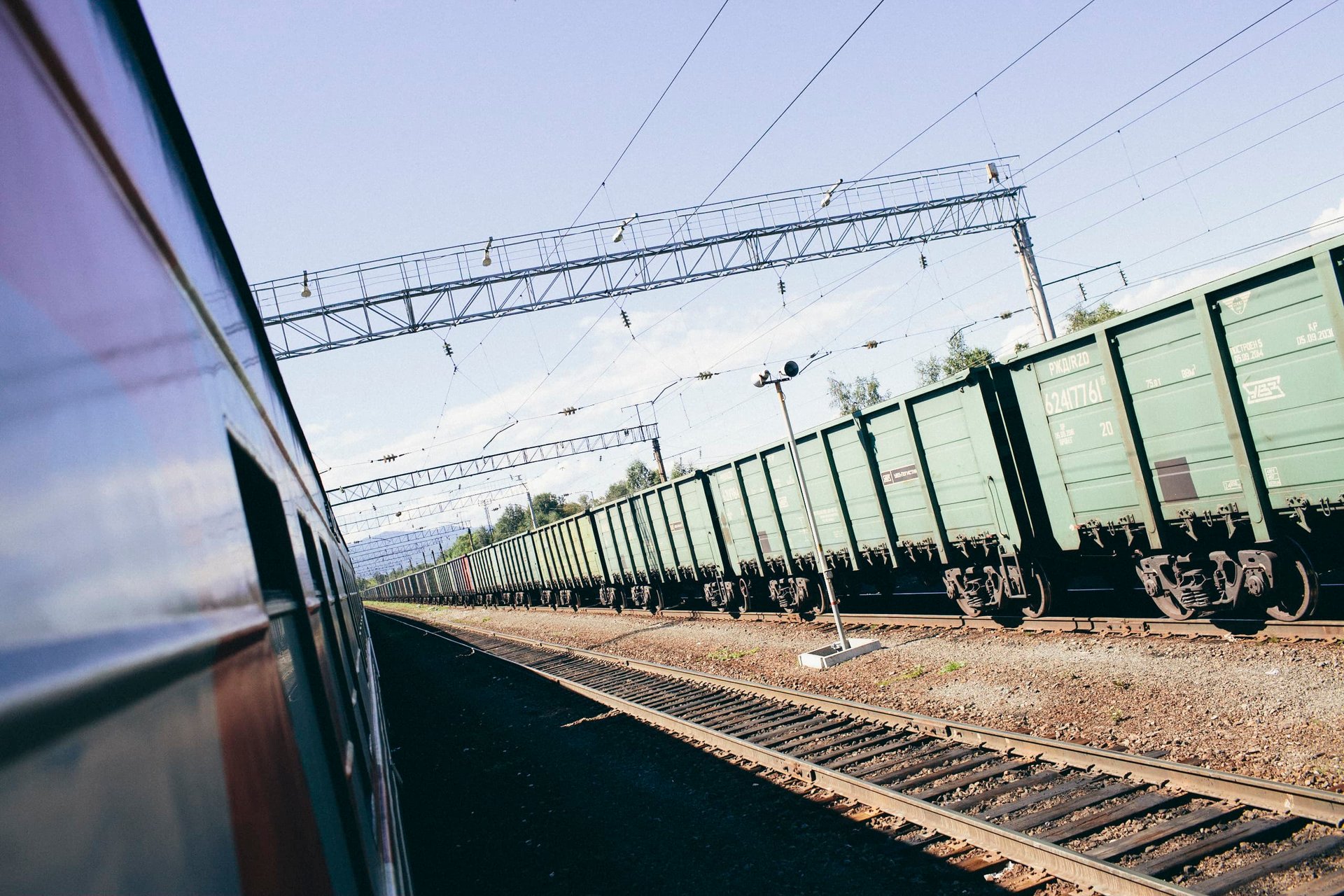
Railway station, Vladivostok
Vladivostok literally means "ruler of the East." It is the terminus of the Trans-Siberian Railway, marking 9,288 km of track from Moscow. It is the largest city in the Russian Far East and, incidentally, its window onto Asia and the Pacific. In his book Prose of the Trans-Siberian, the French writer Blaise Cendrars often refers to Vladivostok as "the very end of the journey." Coming from China, it was for me the starting point of the Trans-Siberian and the beginning of this journey.
Train of Thoughts
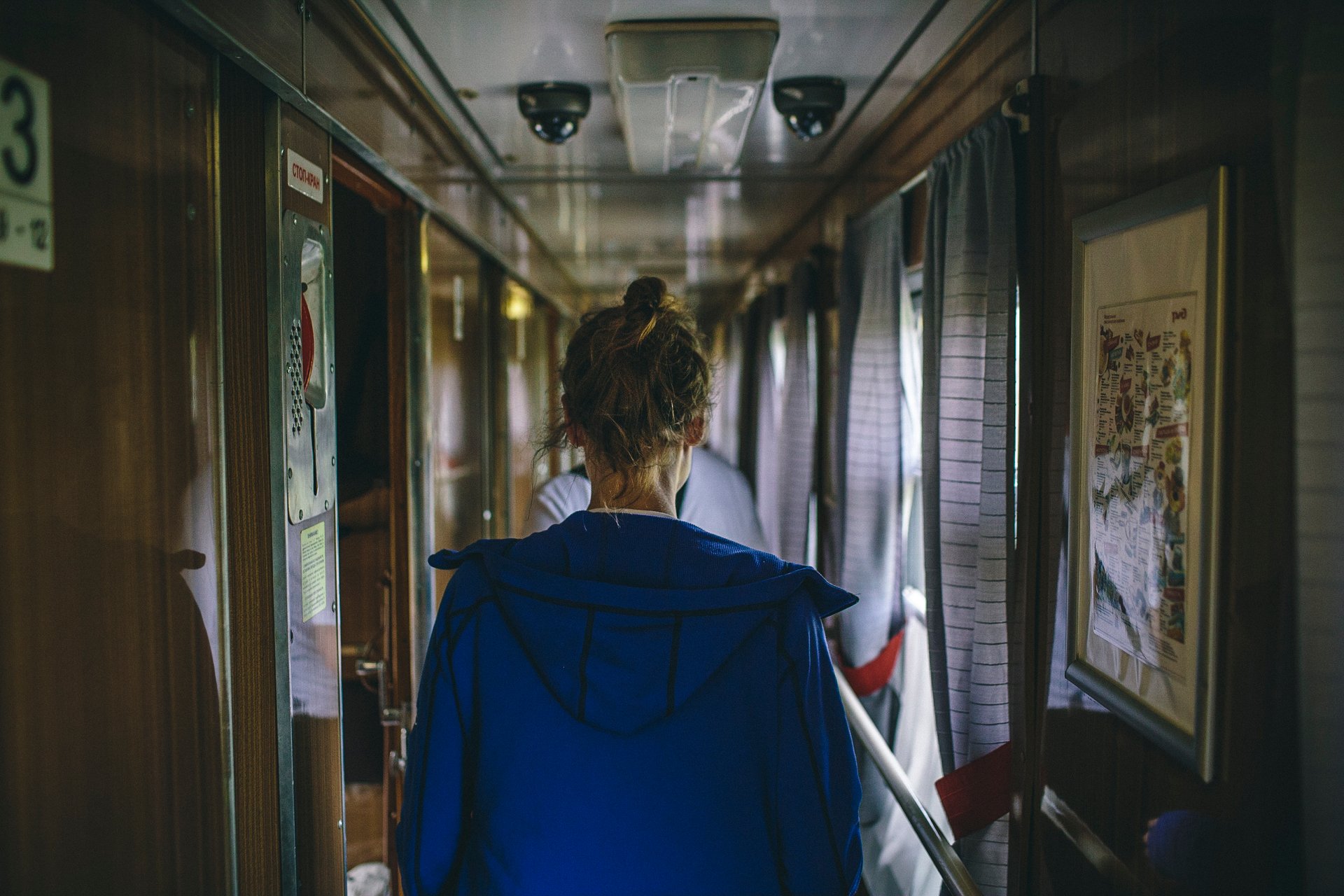
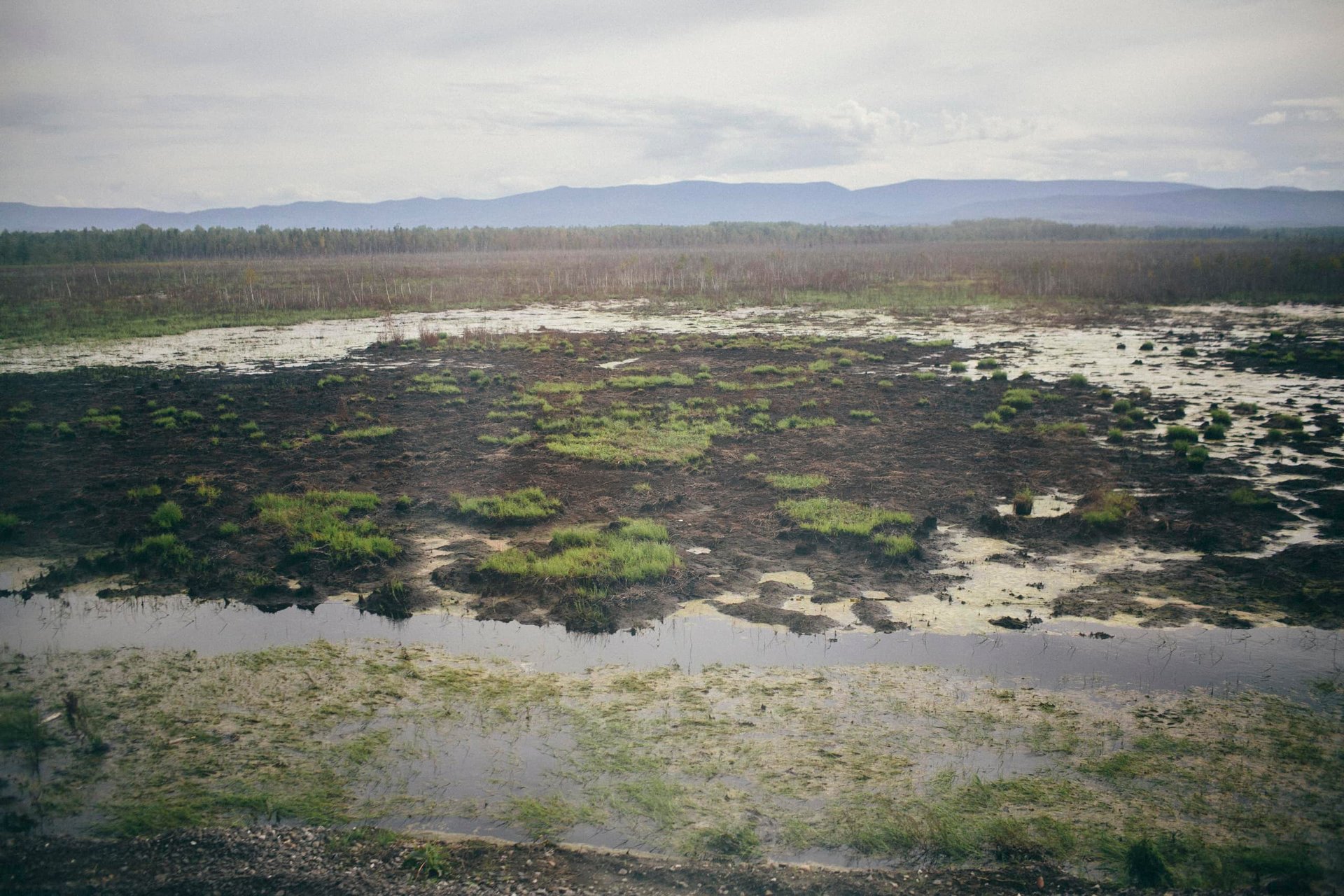
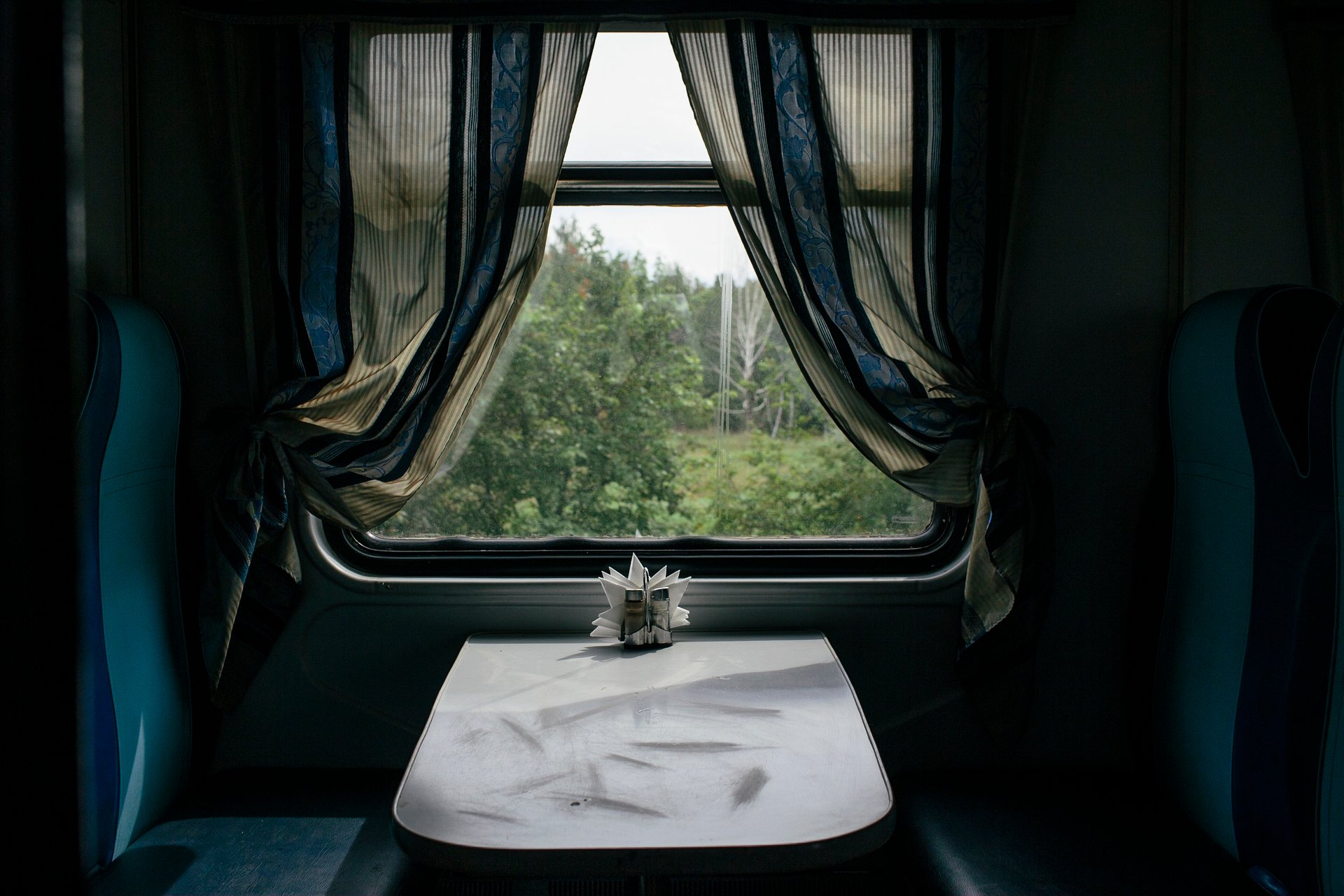
Walking through the train, passing from one car to the next, I watch the passengers lose themselves in thought, their eyes fixed on the fleeting panorama of marshy plains. All immersed in the reverie that is one of the pleasures of train travel, we look outward but our attention turns inward, into ourselves... Until a cabin companion appears or a village, like those painted by Levitan, breaks the monotony of the landscape, leaving us wondering about the daily lives rooted in this beautiful middle of nowhere. As we cross Siberia, described by Ian Frazier as a territory so vast that "it is more an idea than a place," I ask the other passengers to share their feelings about the journey. In this series, I assemble these trains of thought and invite you to come aboard, walk down the corridor, and glimpse what they see and feel through the images below.
/ This project marks the 100th anniversary (05/10/1916 – 05/10/2016) of the Trans-Siberian Railway and was developed as part of the #asefsu20 programme of the Asia-Europe Foundation.
Beijing → Vladivostok → Irkutsk → Ulaanbaatar → Beijing, September–October 2016
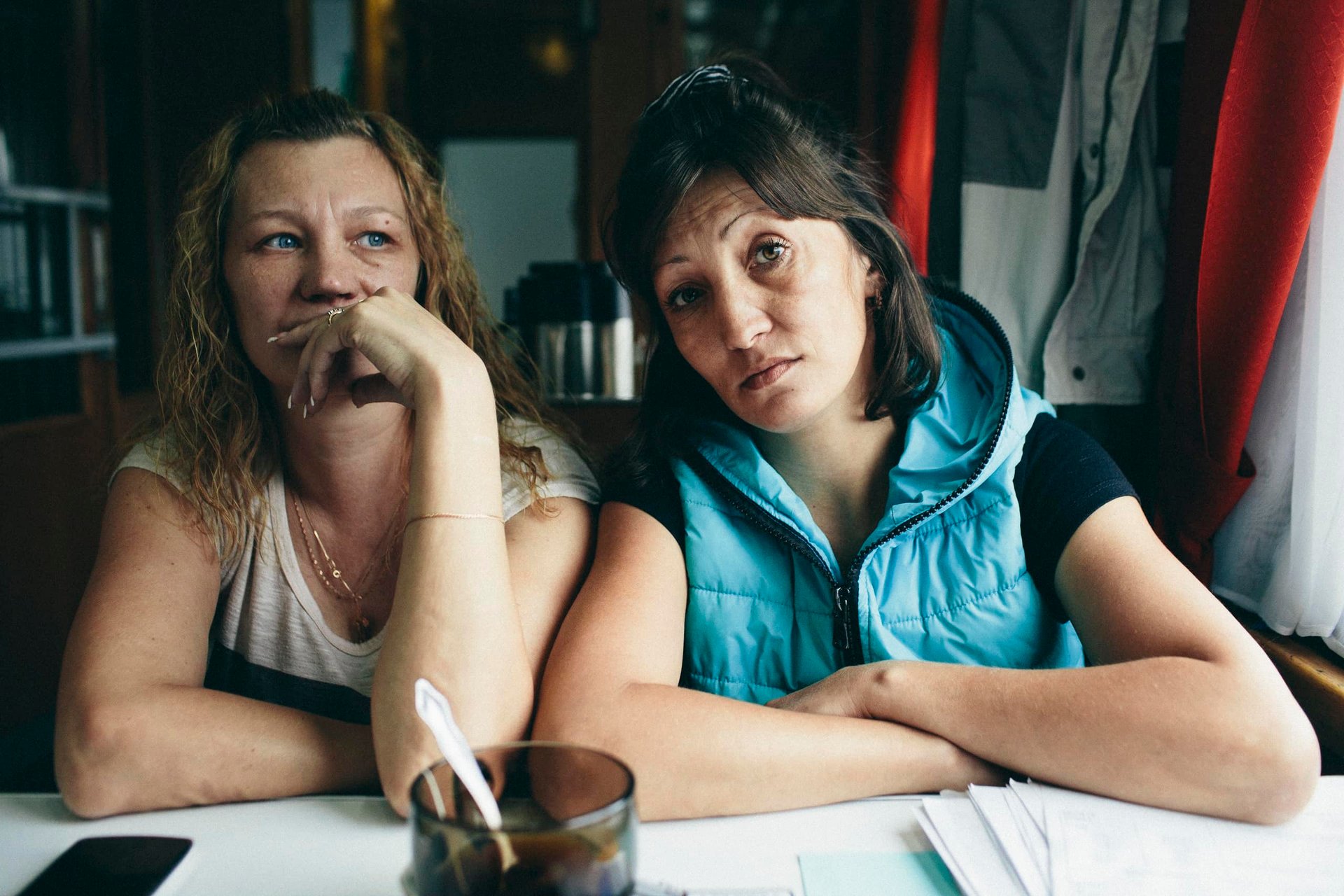
"My name is Svetlana, I am 44 years old and I was born in Irkutsk, Russia. I have been working as a waitress on the Trans-Siberian for three years. I decided to work on the Trans-Siberian because I wanted to travel and discover more of my country. I waited for my children to grow up and become independent before making that decision."
"My name is Galina, I am 37 years old and I have been working as a waitress since May 2016. I am originally from Chita, but I now live in Irkutsk. My dream is to become a car chief. I have to start at the bottom, but I hope to work my way up as quickly as possible."
Svetlana tells me she keeps thinking about last New Year's Eve, when a circus troupe and singers boarded the train and turned the car, then the entire train, into an extraordinary rolling stage.
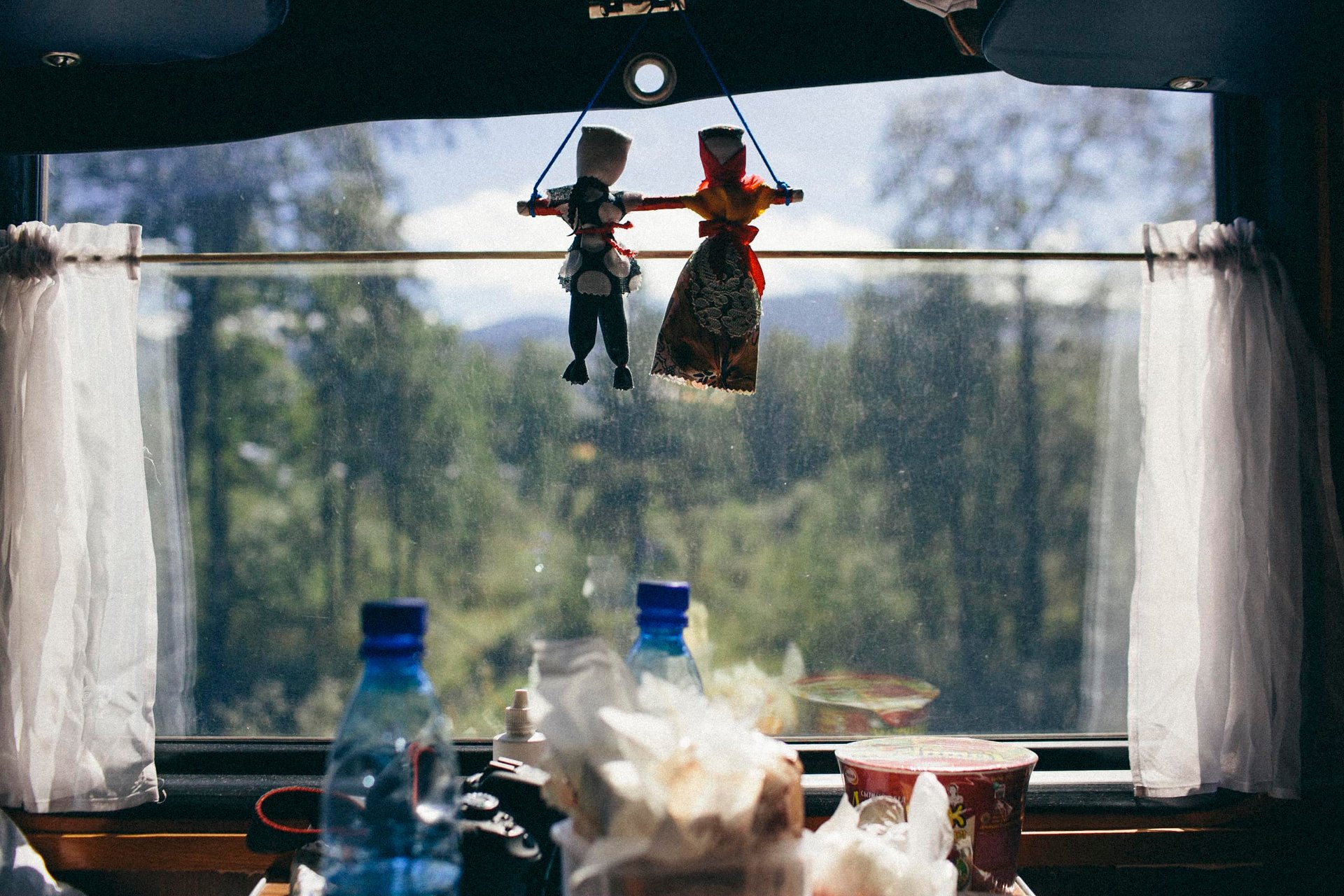
"My name is Sergei, I am 39 years old. I was born in Vladivostok, but today I live in a village on the shores of Lake Baikal. I have been working in the dining car since 2012, handling the coal supply. Before that, I was already working for the railways... I have probably spent more time on the train than off it in my lifetime. This train has a life of its own, if you listen to the sound it makes, that 'clickety-clack, clickety-clack, clickety-clack'... It's like a heartbeat!"
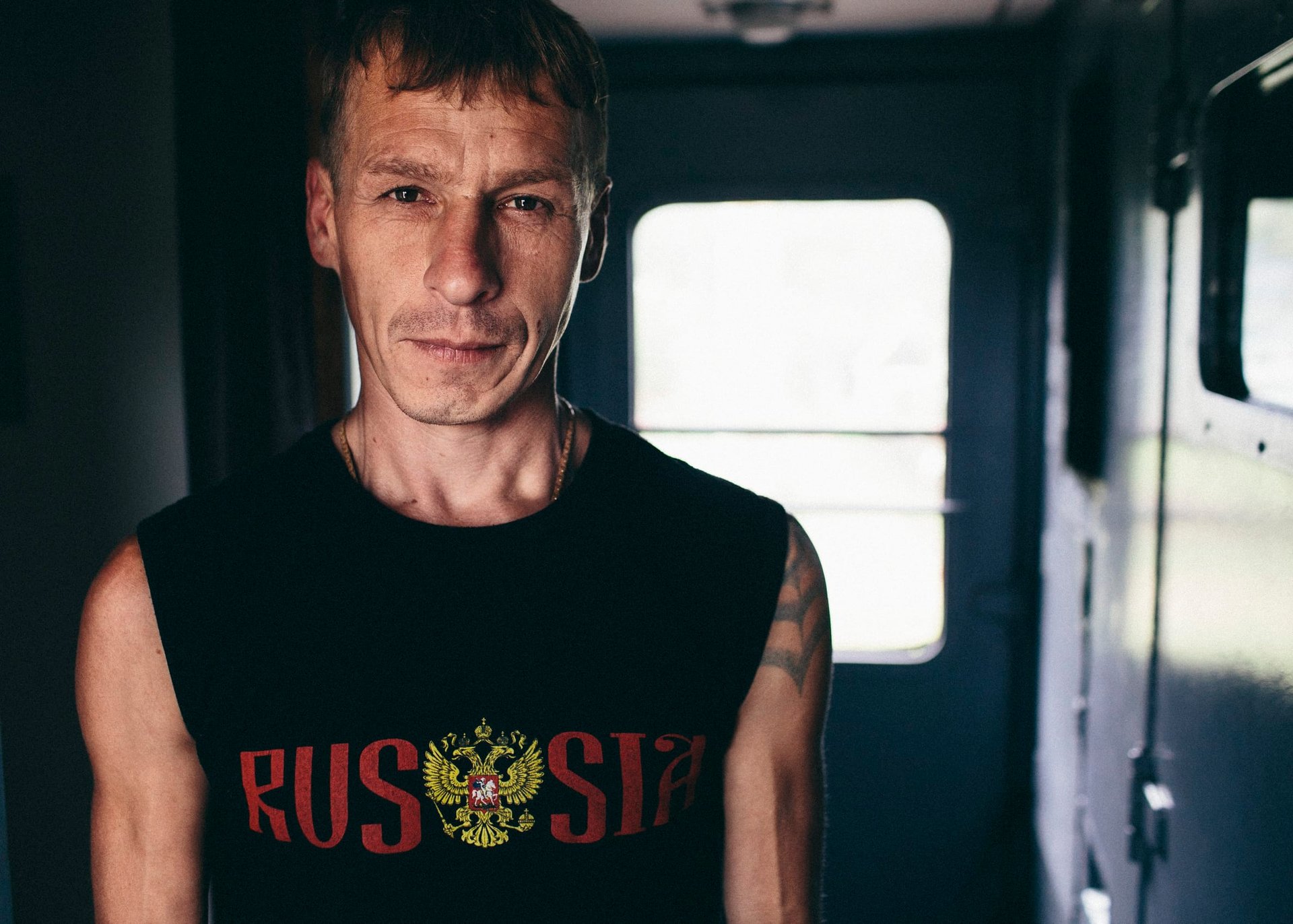
This train has a life of its own... "clickety-clack, clickety-clack, clickety-clack"... It's like a heartbeat!
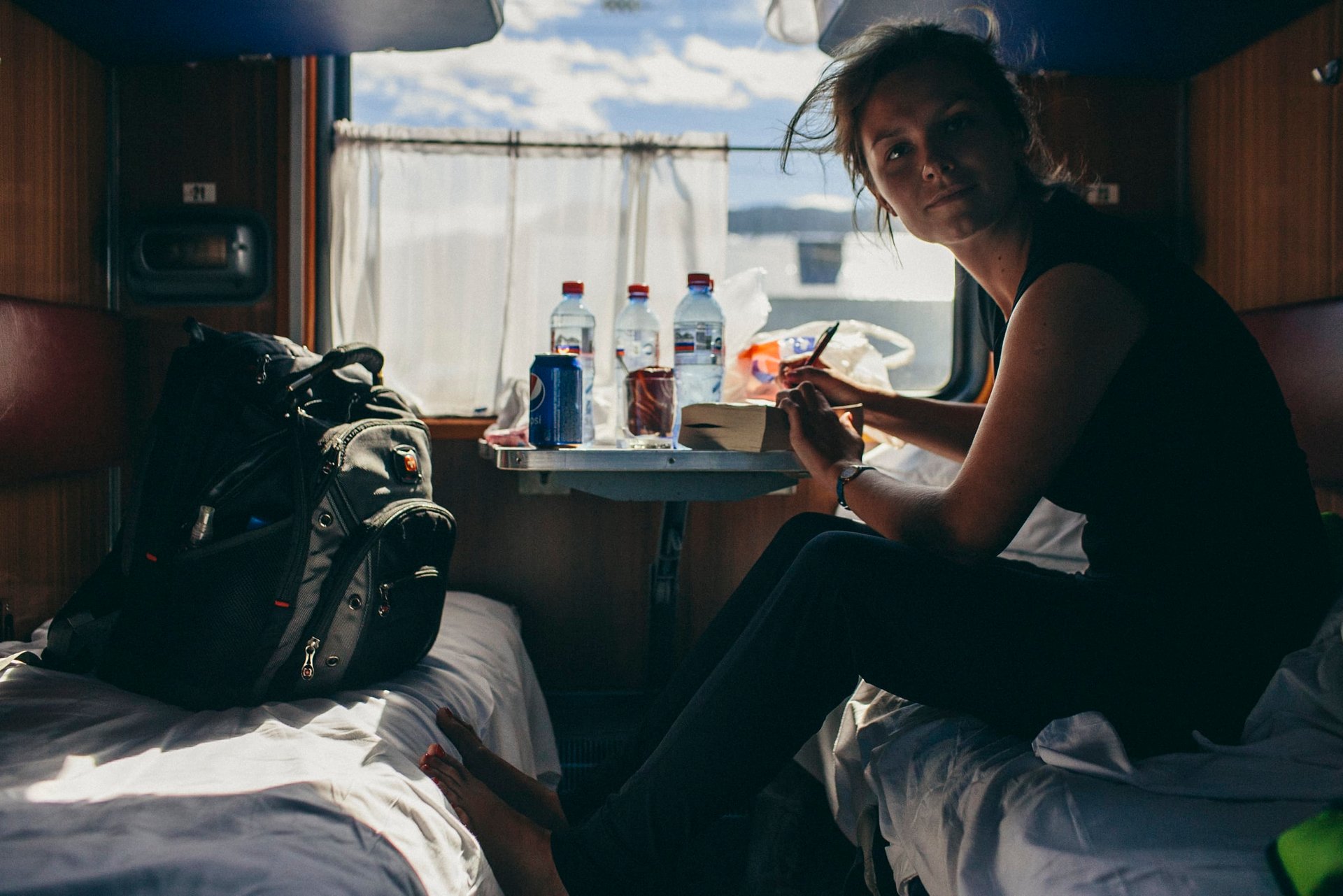
Evija Belanina, 26, from Riga, Latvia.
"When you travel on the Trans-Siberian, you lose all sense of time. The cabin becomes your home, the train schedule sets your agenda, the landscape outside the window shapes your mood, the stories of other travelers form your memories. And you realize that the journey has become more important than the destination itself."
[The portrait was taken during a 20-hour train ride between Chita and Irkutsk, Siberia, Russia. 1,103 kilometres separate the two cities.]
The journey has become more important than the destination itself.

Bundid Mienmany, from Vientiane, Laos.
"This is the longest journey I have ever taken, spending days and nights on the train covering thousands and thousands of kilometres... I didn't know much about the Trans-Siberian, just what I had read or seen on television. The reality was impossible to imagine, even in my wildest dreams. I feel like I am learning so much by sharing this confined space with people from all over the world and the locals, rooted in their daily lives."
Tanya Chong, 27, from London, United Kingdom.
"I want to create new memories with everyone just as much as I want to watch the different faces of the world pass by. I hope to find a good balance between the two!"
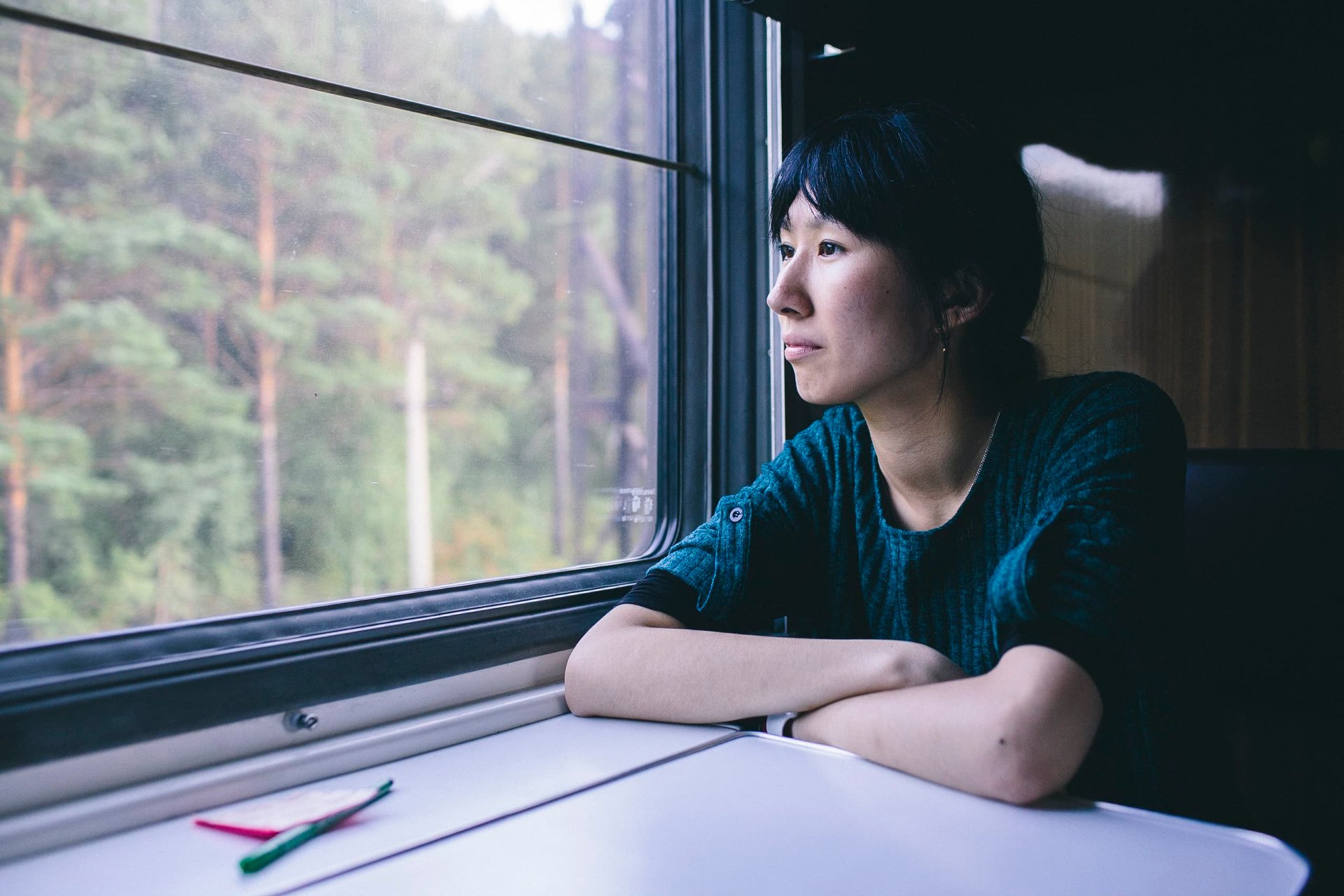
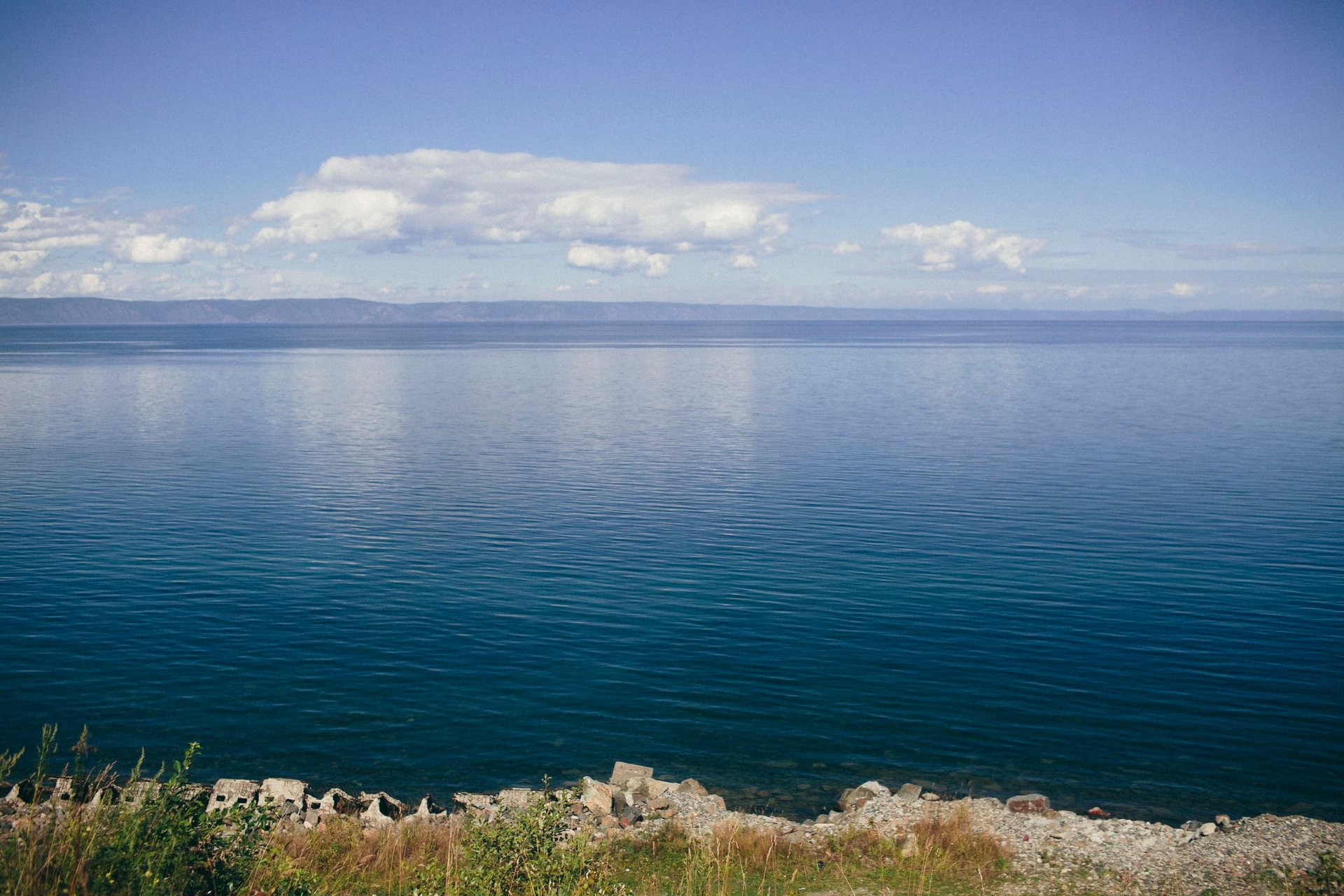
Su Myat Naing Aung, from Yangon, Myanmar.
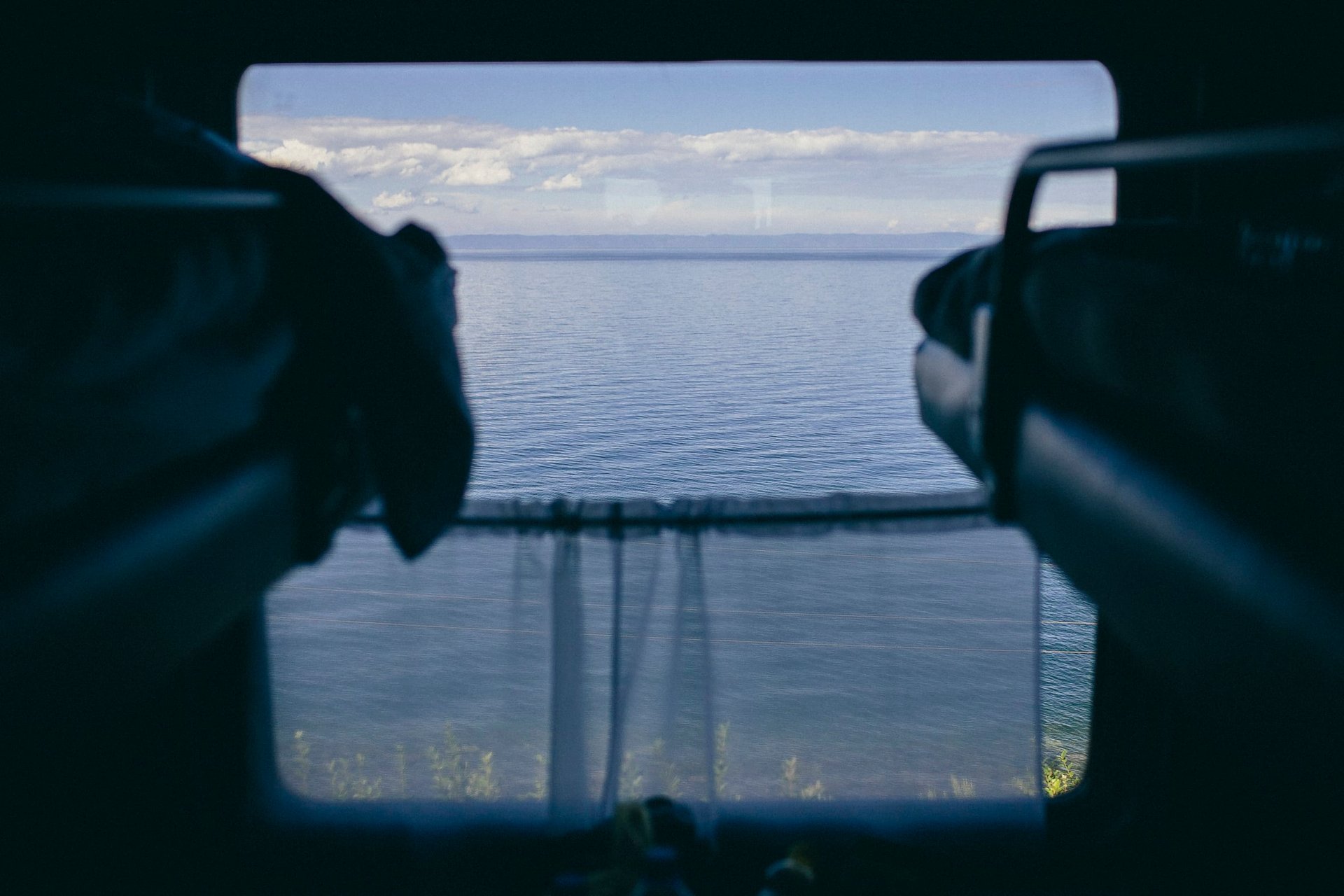
"When I see the vast stretches of land, the imposing mountains, and the immense Lake Baikal, whose infinite surface touches the horizon throughout the journey, I suddenly feel that my problems are insignificant compared to these gigantic elements of the Earth. That is when I feel at peace, because I hold no resentment toward the past, I do not worry about the future, and I simply enjoy the present."
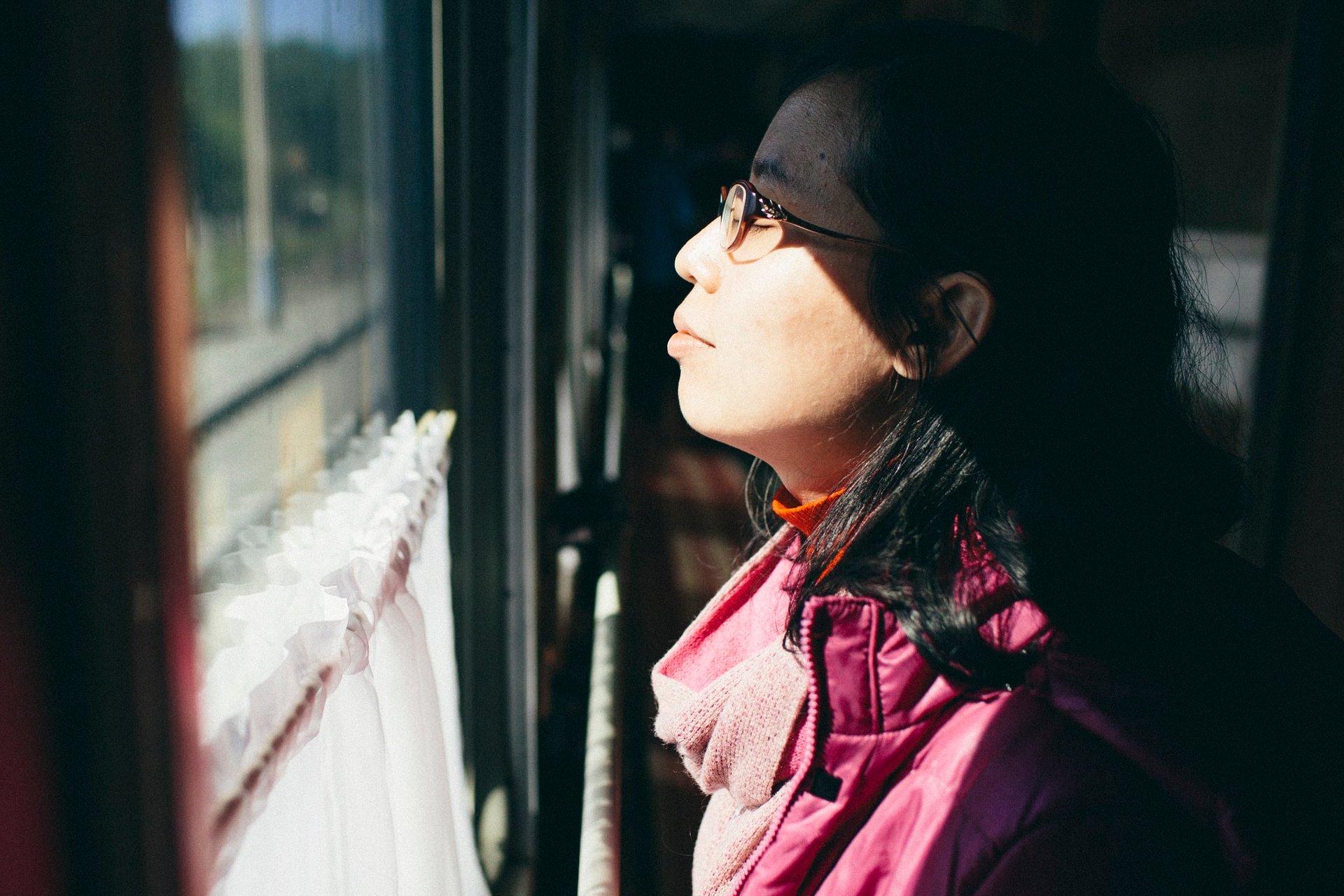
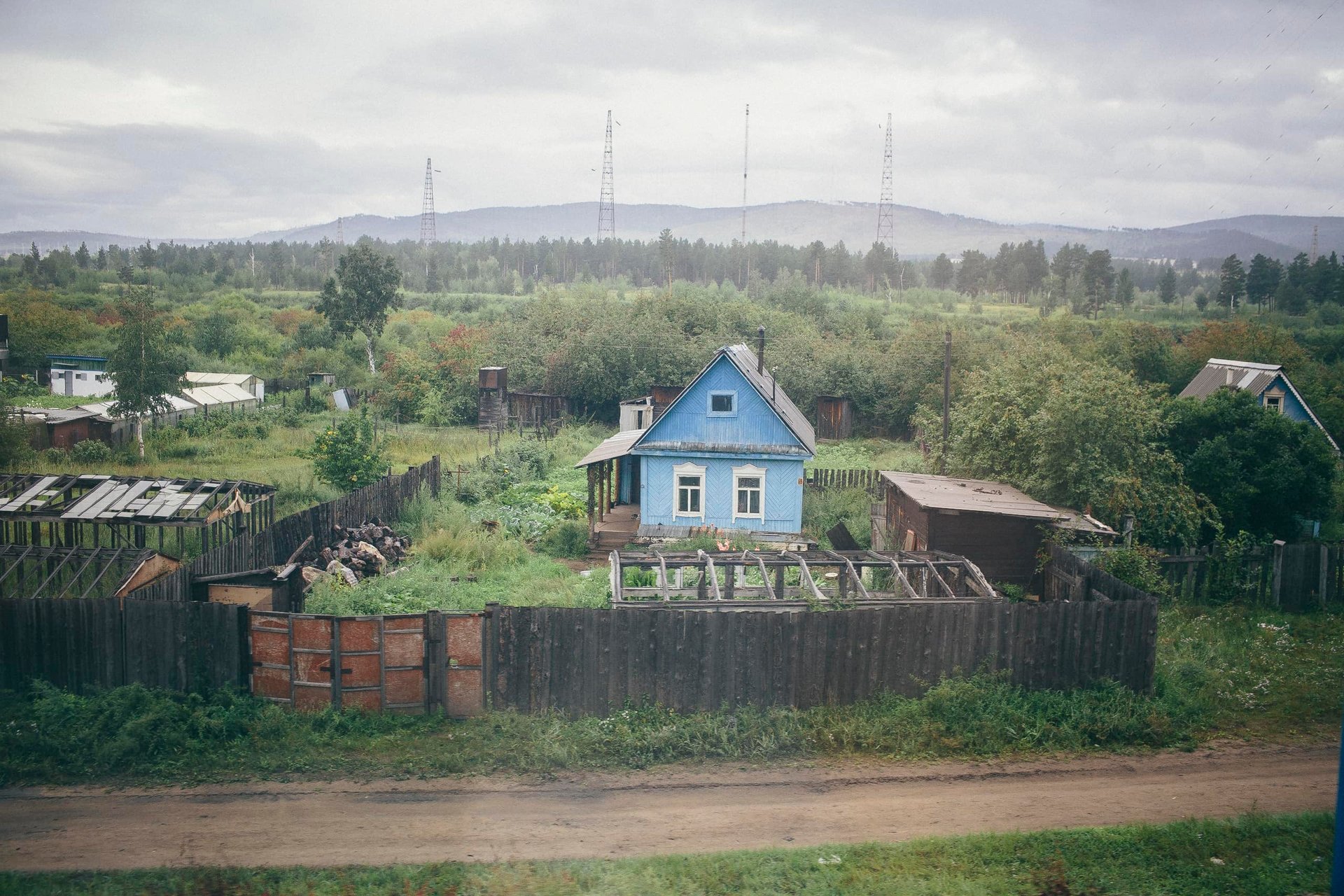
"When I was a child, I often traveled with my grandparents to different cities in my region by train. Since most stations were smaller than the one in our hometown, I thought our city was the center of the world with the largest station of all (and that the world was a flat board about a dozen kilometres across). Growing up, I realized I was far off, but I continued to favor the train as my main means of transport to travel the world. I decided to never stop exploring and to discover all the largest stations, the longest railways, and the most remote ends of rail networks. The funny thing is, today I am a PhD student in railway engineering at the University of Pardubice."
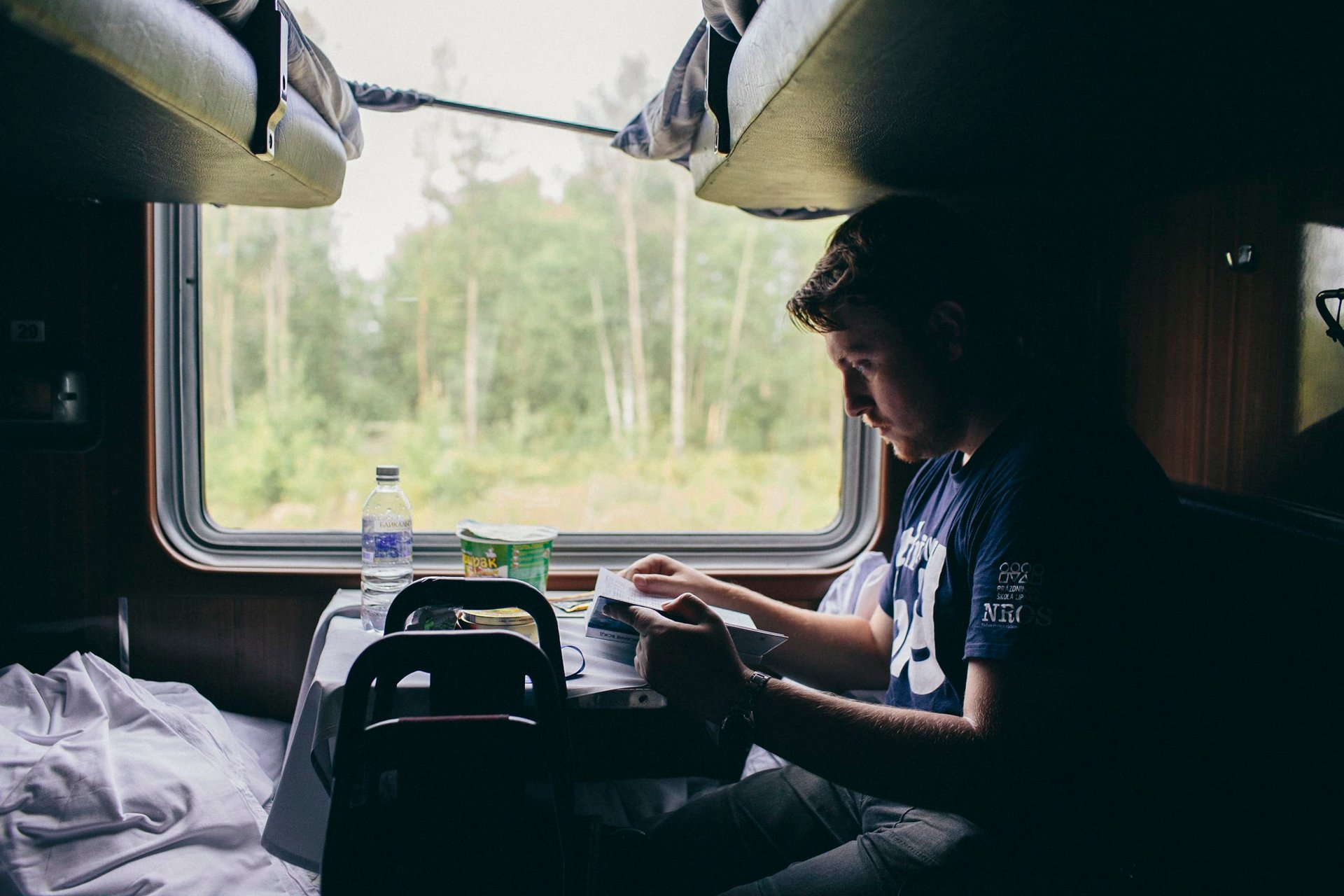
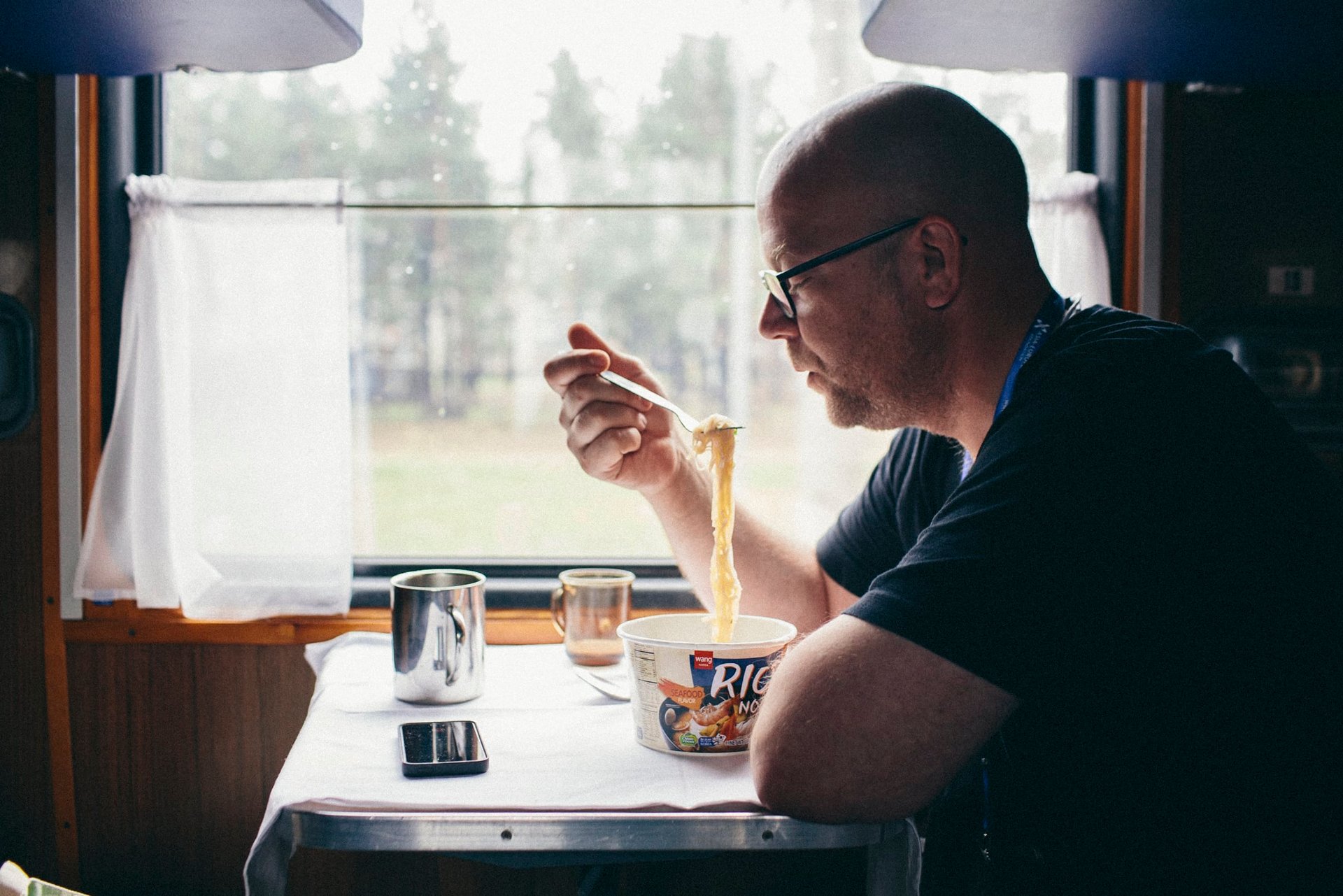
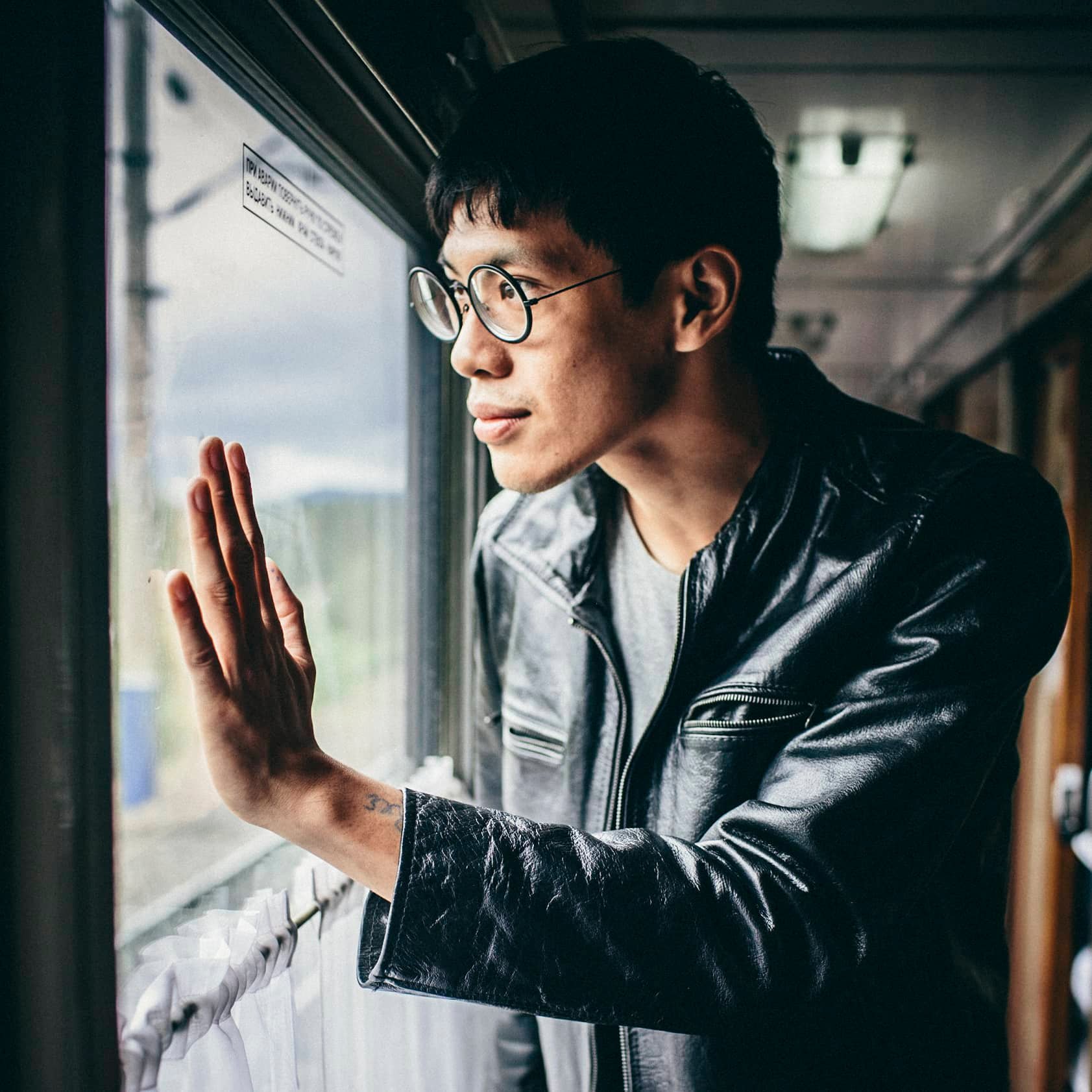
Aloysius Ang Weiqiang, 26, from Singapore.
"All I can think about is the immensity of the lands we are crossing. And how strangely soothing the sound and motion of the train are."
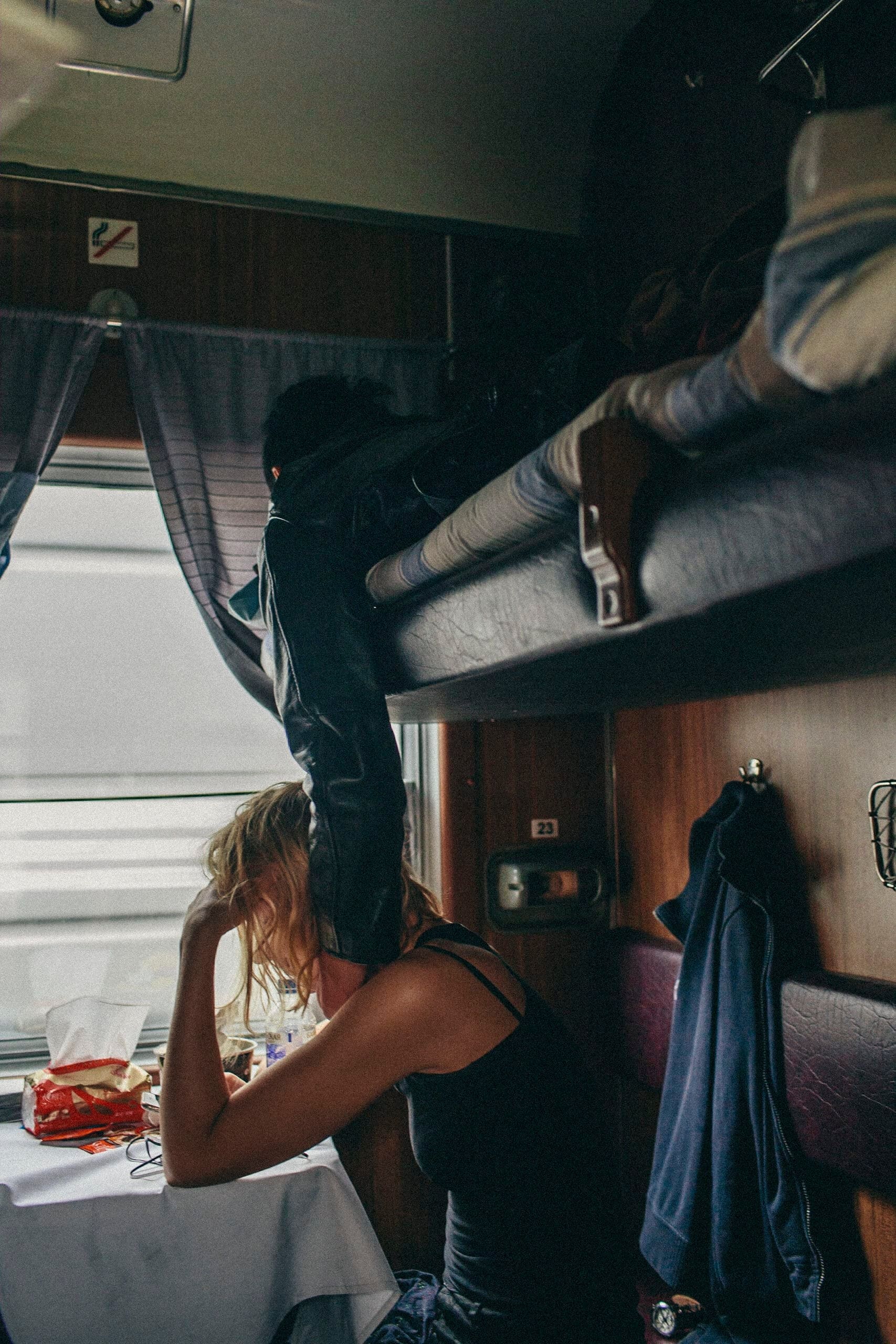
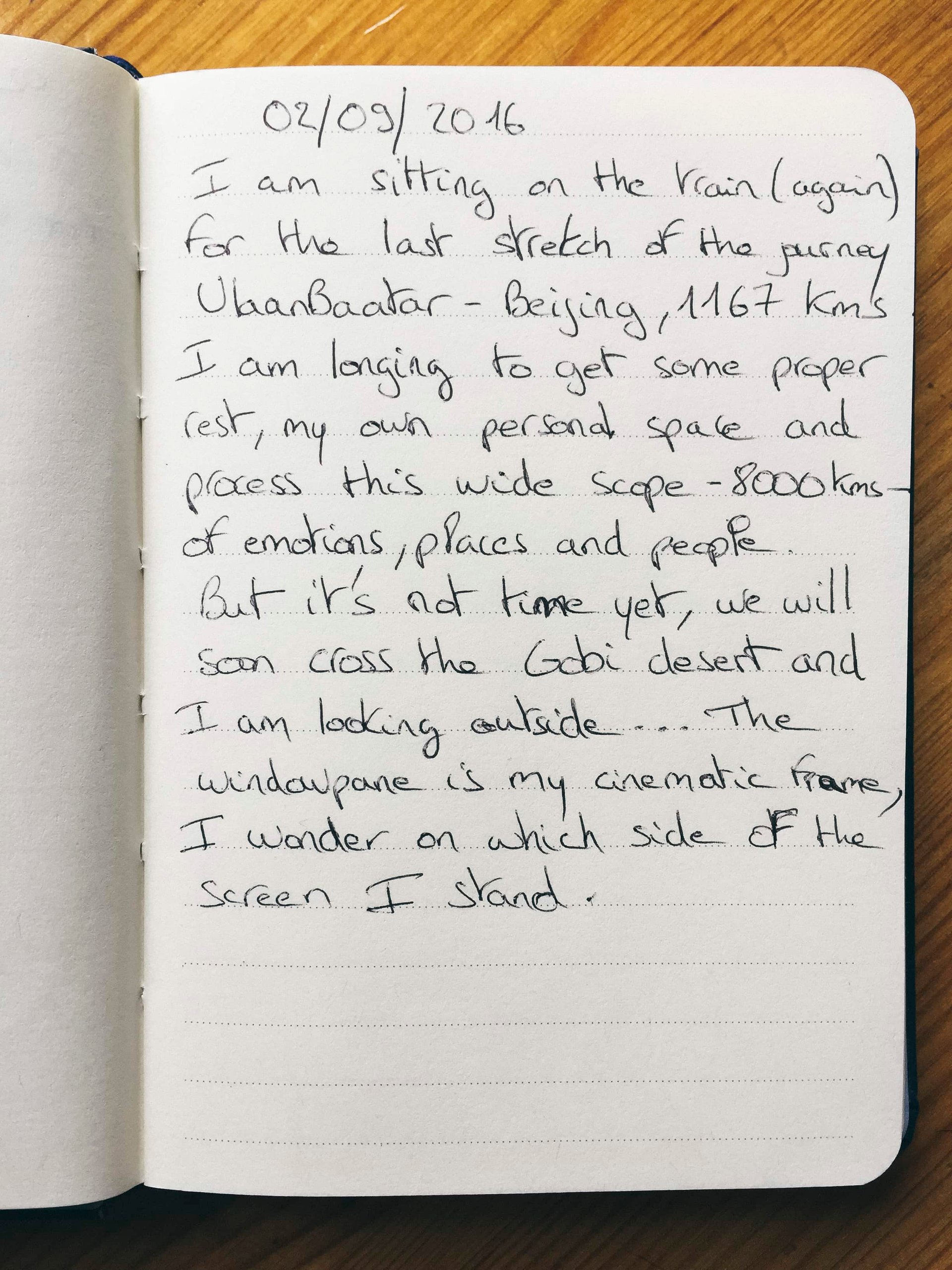
— 02/09/2016, Ulaanbaatar → Beijing
Credits
- Photography & soundDamien Rayuela
- RouteBeijing → Harbin → Vladivostok → Chita → Ulan-Ude → Irkutsk → Ulaanbaatar → Beijing
- Programme#asefsu20, Asia-Europe Foundation (ASEF)
- Year2016